
We are Naserian Schools
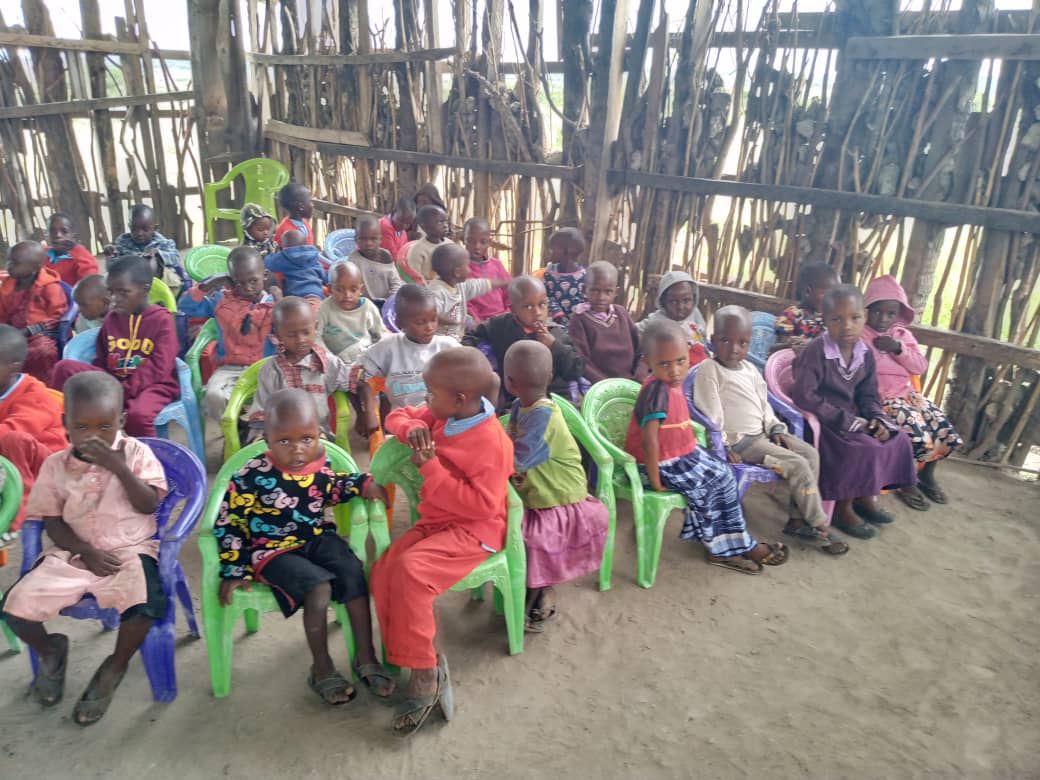
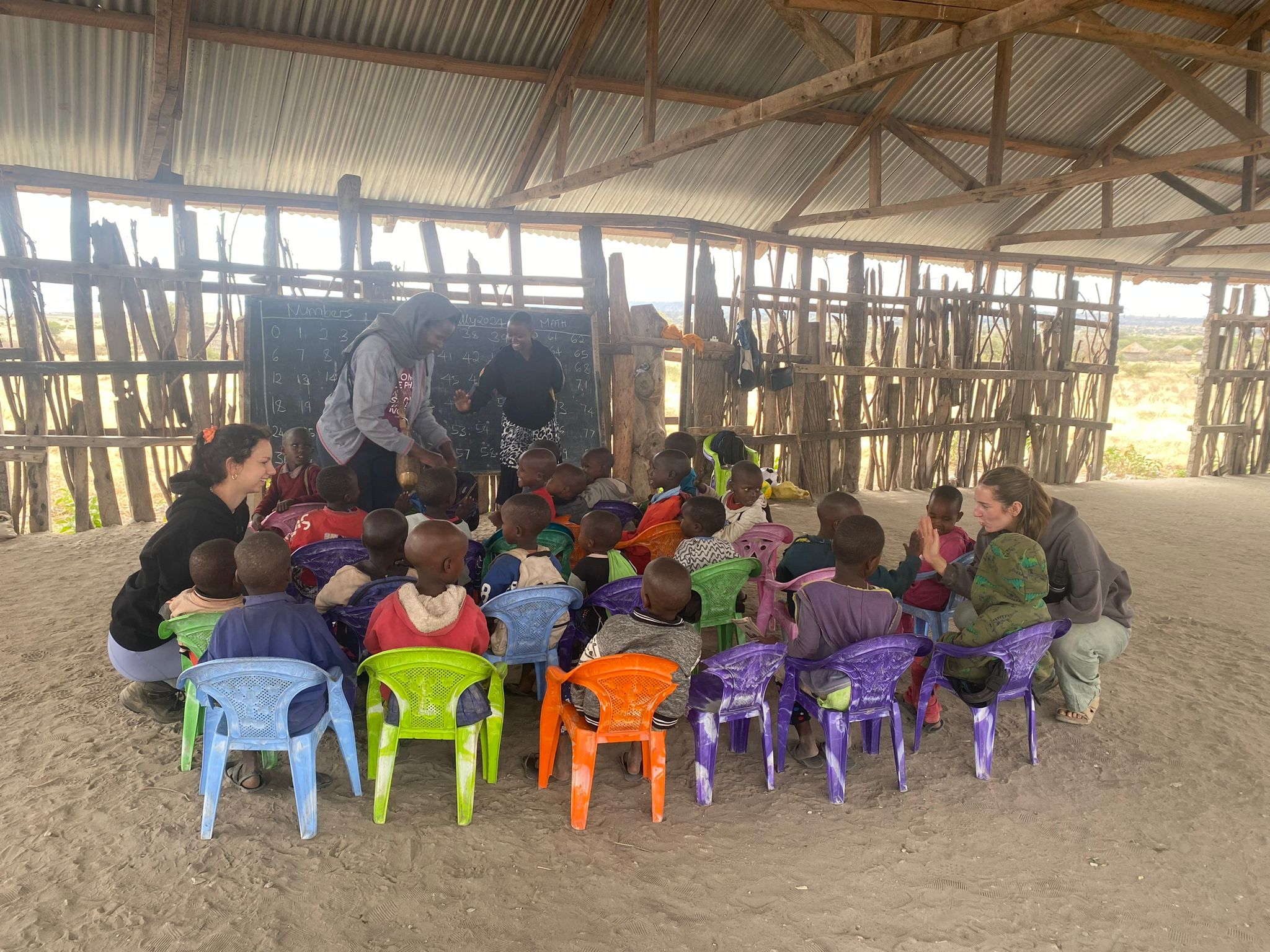
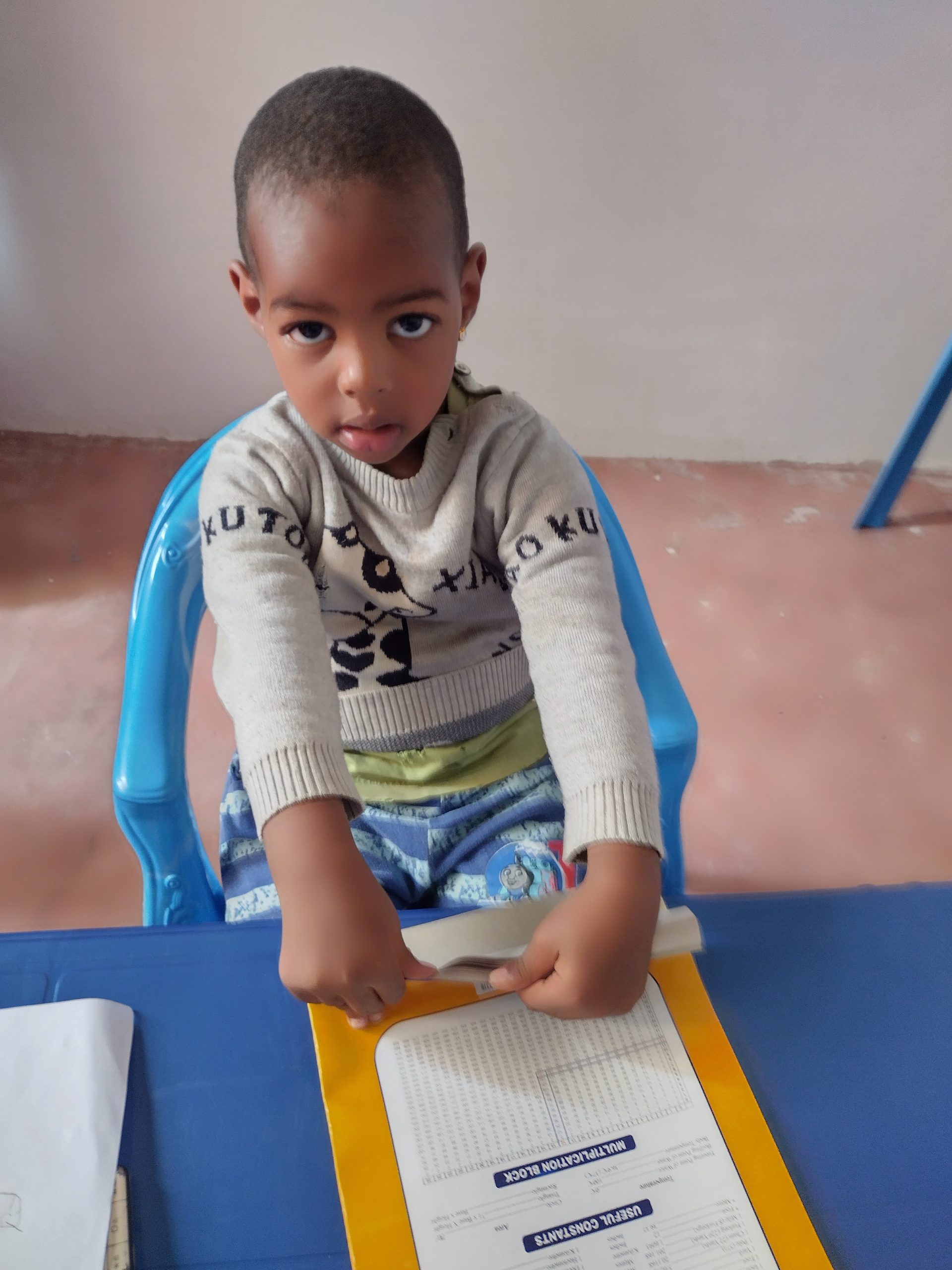
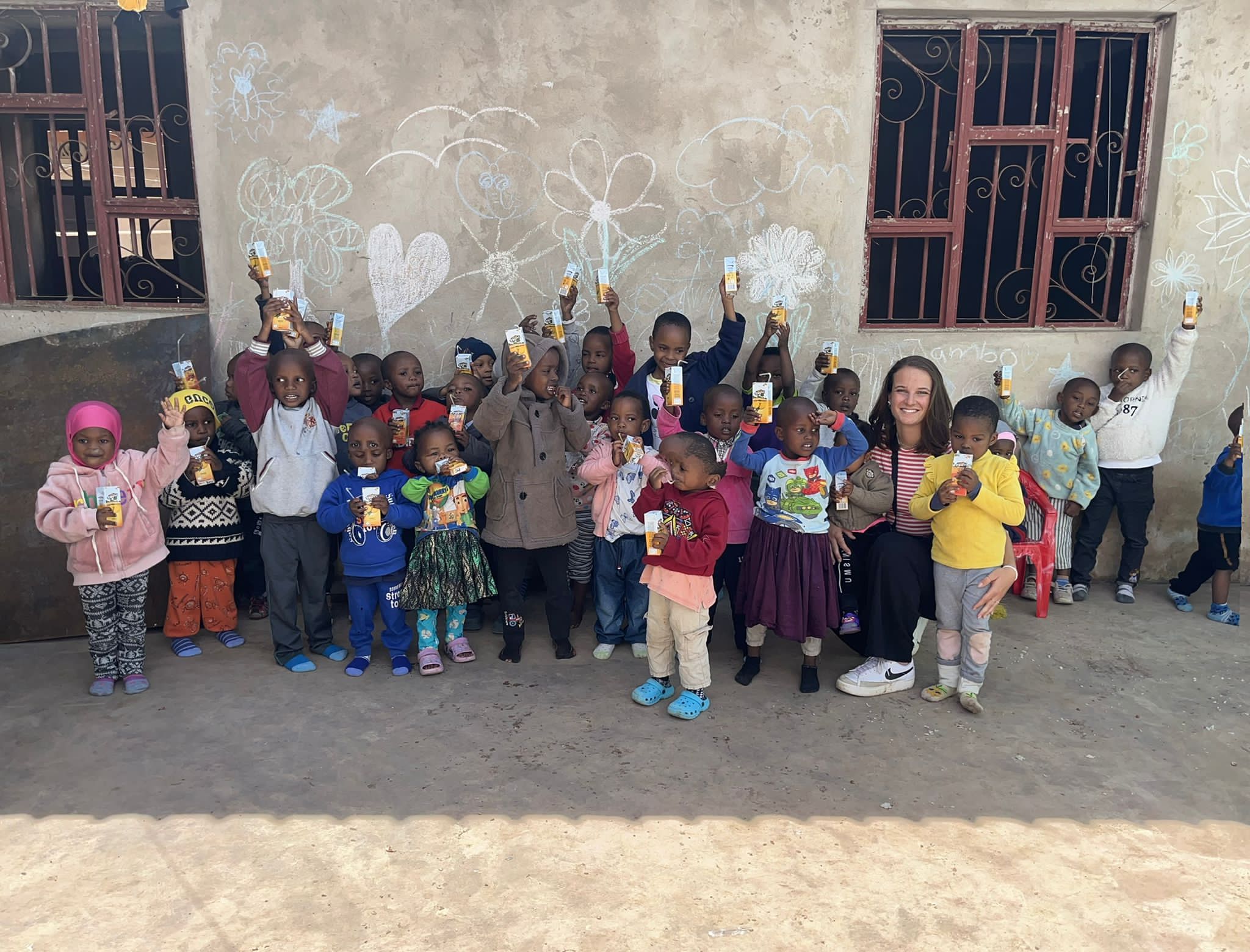
Naserian Schools is a non-profit organization located in the remote Maasai village of Baraka in northern Tanzania.
Our core missions are:
- Education and empowerment of Maasai children in Tanzania, with focus on girls, to provide them with the opportunity for an independent life.
- Protection from harmful traditional practices such as child marriages and female genital mutilation (FGM).
- Support for educational initiatives such as schools, daycare centers and development programs for vulnerable children.
- Awareness-raising and educational outreach in local communities to promote education and equality.
The best way to not feel hopeless is to get up and do something
Mary Sinantei
FOUNDER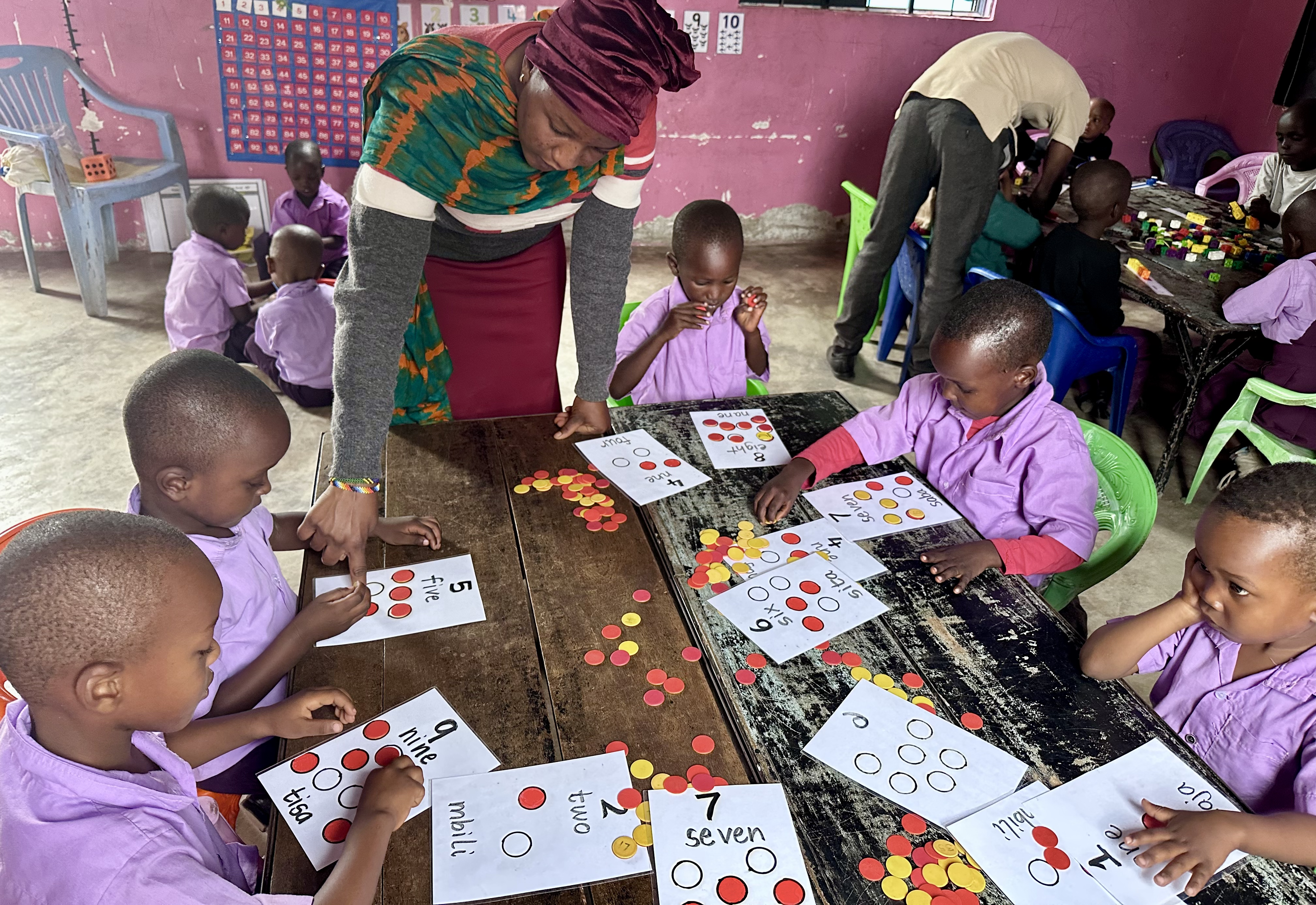
Courage
To always face difficult situations
Determination
To realize our dreams
Resilience
To overcome setbacks
Compassion
To offer help and support where we can
Community
To bring others along on our journey of change
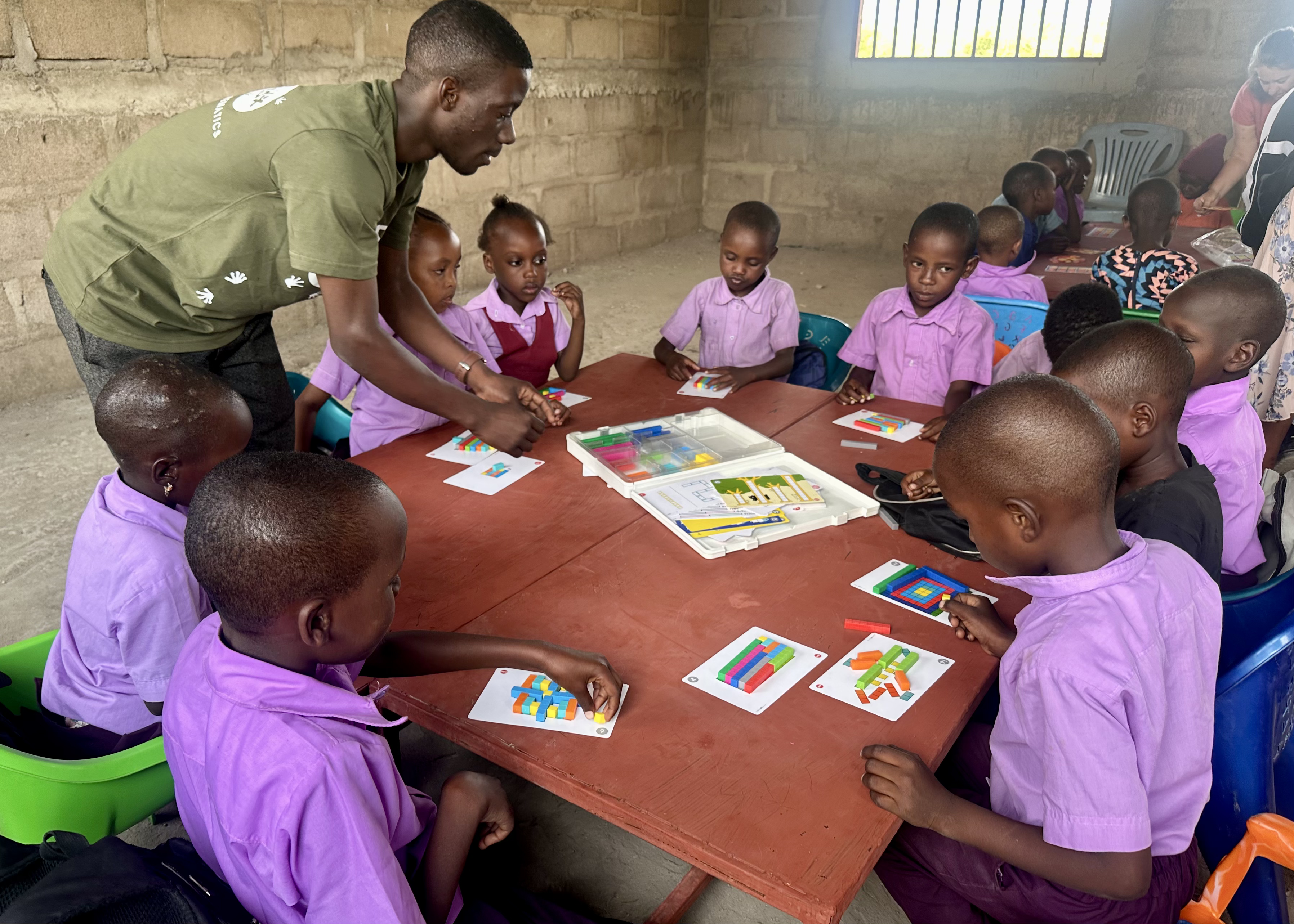
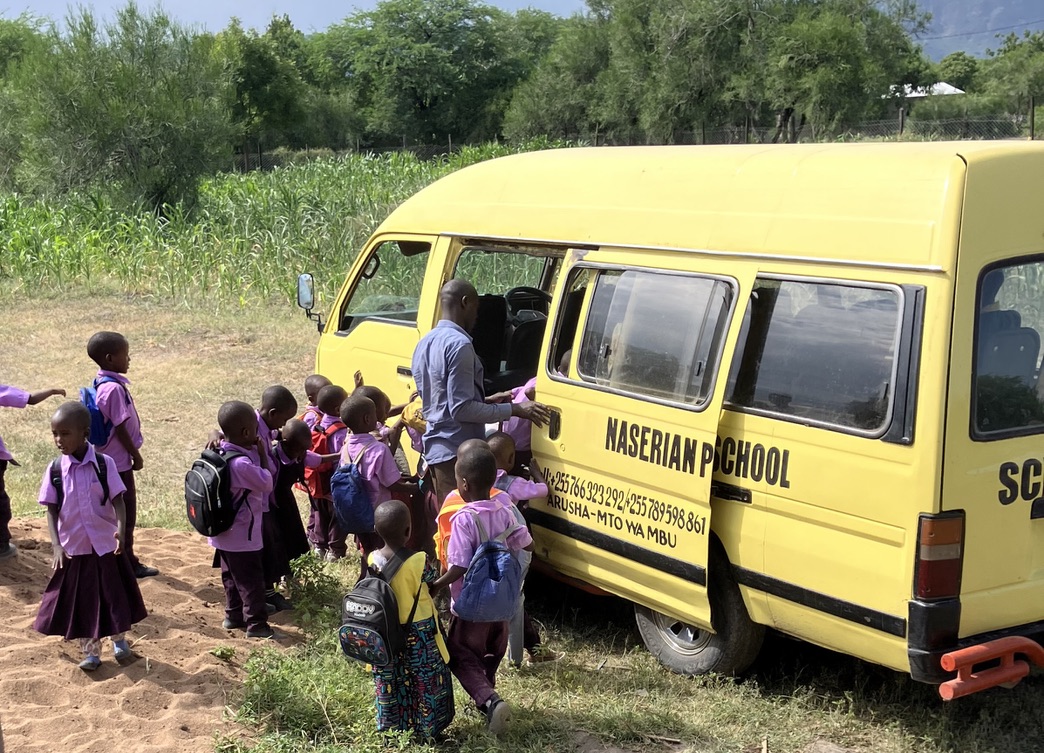
Preserving the Maasai Culture by helping its Modernization
The Maasai community has a rich and valuable cultural heritage. However, due to its historical isolation from mainstream society, the community has had limited access to education and modern advancements. This lack of education has contributed to outdated beliefs and social structures, financial illiteracy, and limited understanding of modern technology—further deepening their separation from the broader world.
Throughout history, we have seen how isolated cultural groups risk being overtaken by modernization. At Naserian Schools, we believe that the Maasai culture should be preserved—not erased. However, we also recognize the importance of progress, particularly in safeguarding human rights, especially those of women and girls.
Traditionally, the Maasai community views education for girls unnecessary, as their primary role is believed to be raising children and expanding their husband’s family. Early and arranged marriages are common, with girls being married off as young as eight years old. In extreme cases, girls are betrothed shortly after birth in exchange for a dowry, often paid in livestock (cows and goats). Once the dowry is received, the girl undergoes female genital mutilation (FGM) – a rite of passage into womanhood – before being sent to live with her husband, where she often becomes pregnant before reaching puberty.
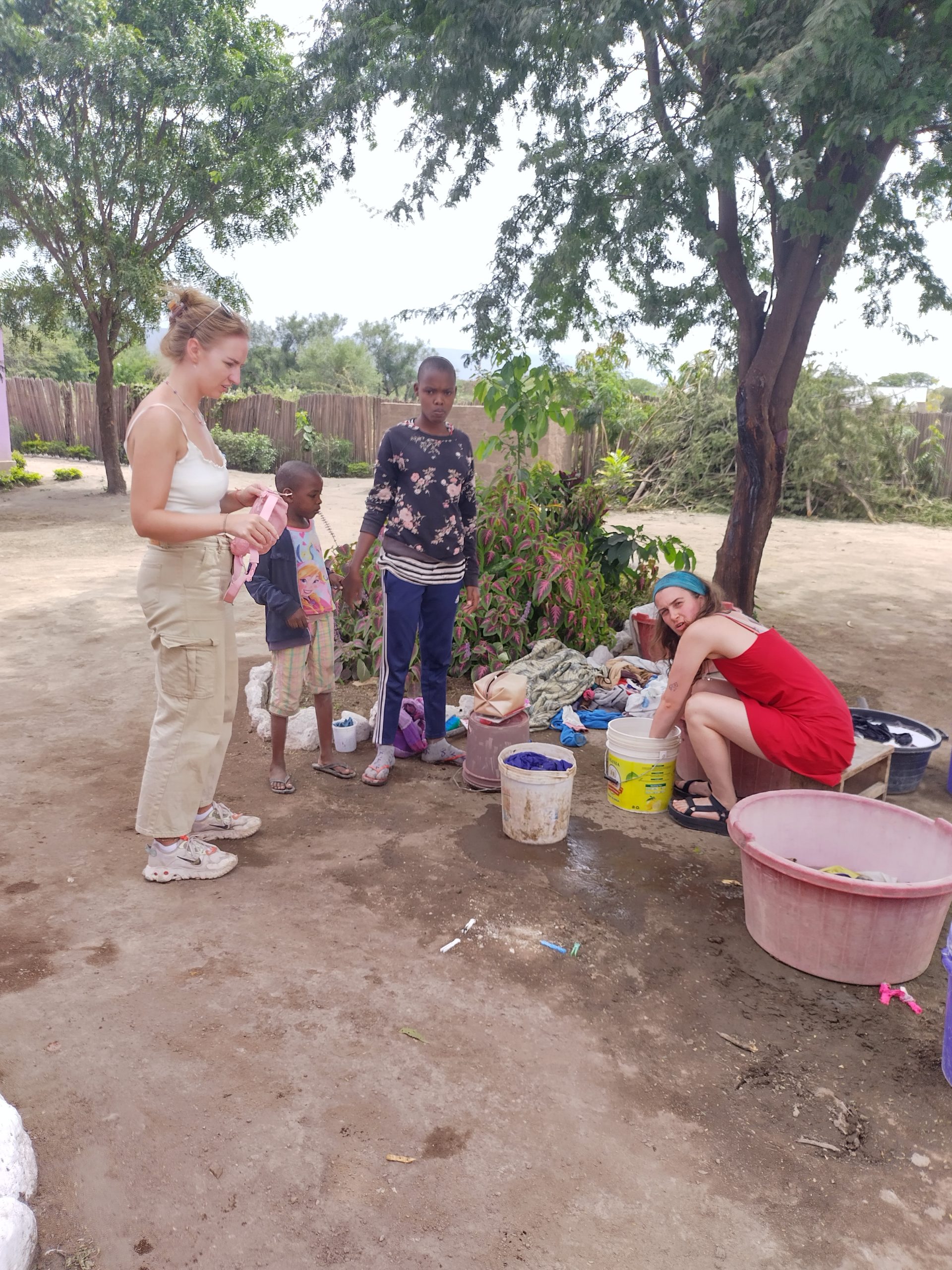
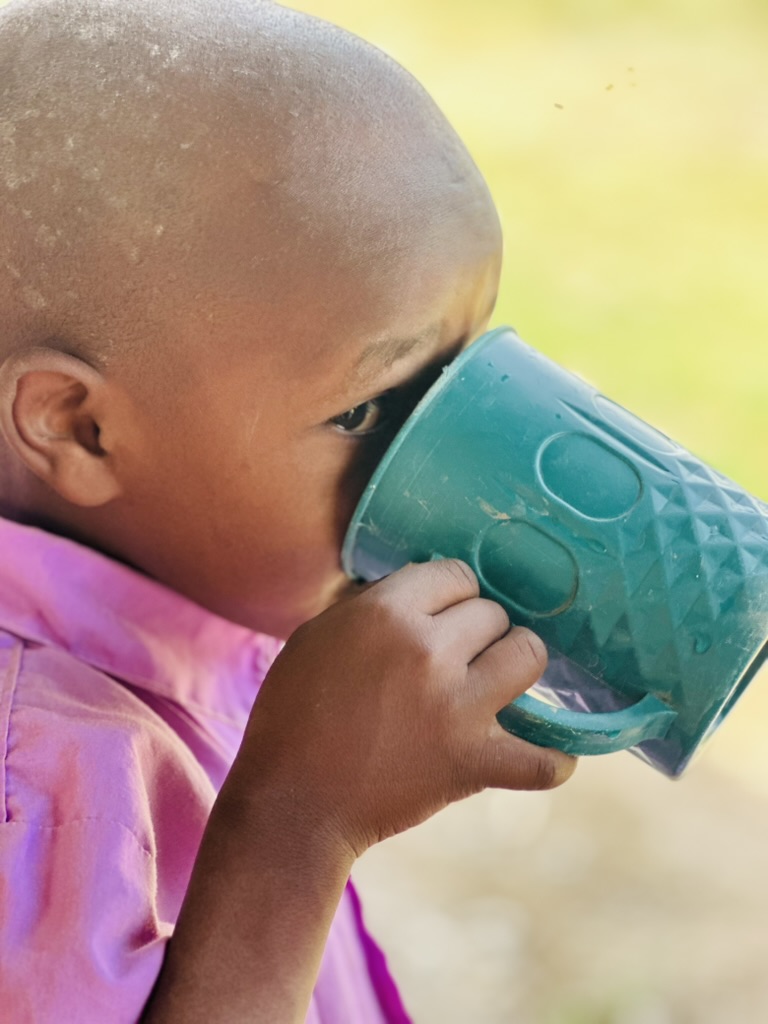
Beyond childbearing, Maasai women are expected to take on numerous responsibilities, including building homes, herding livestock, managing household duties and caring for their families. Fetching water, often by walking long distances, is another daily task for Maasai women that consumes their time and energy.
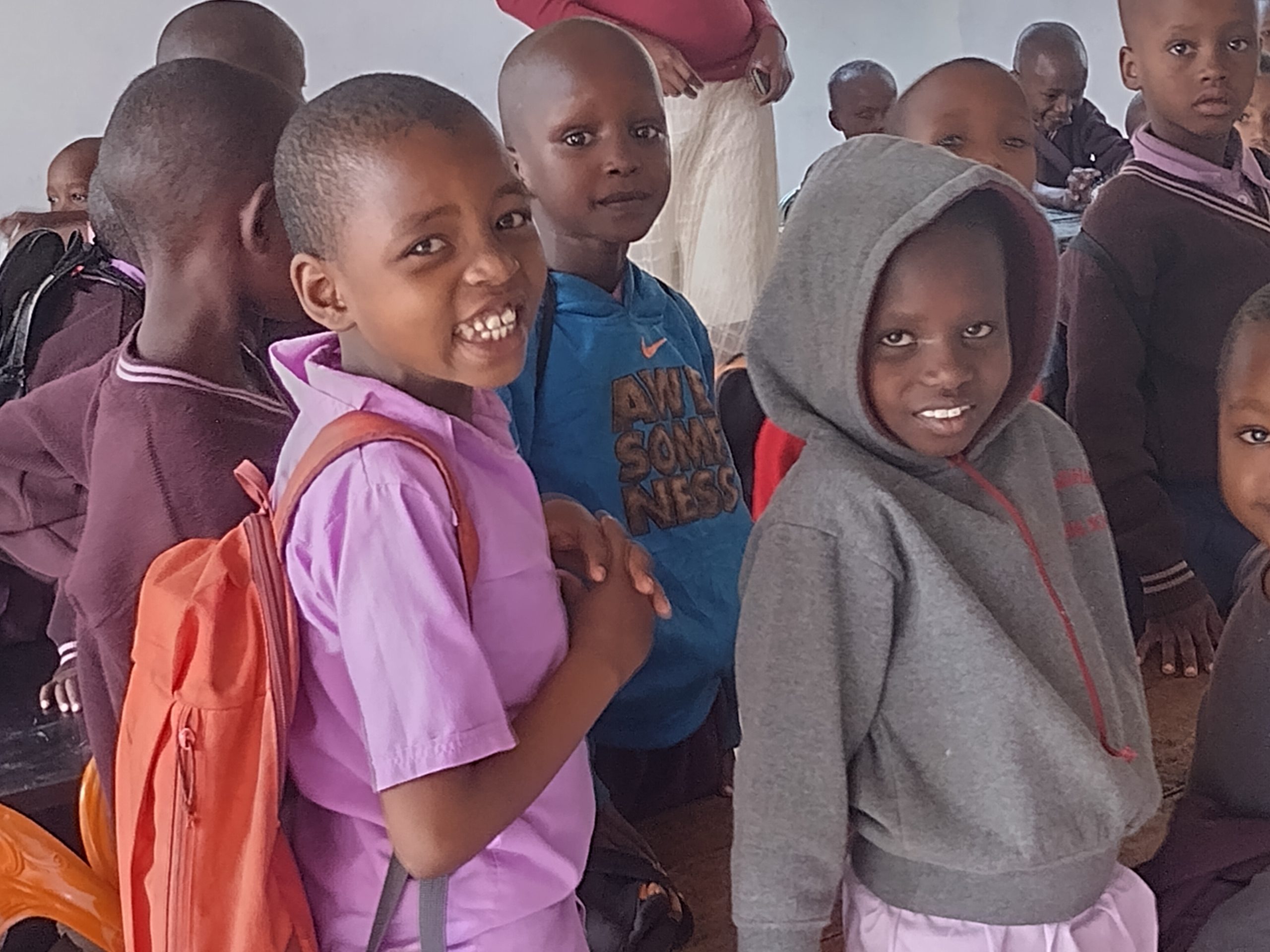
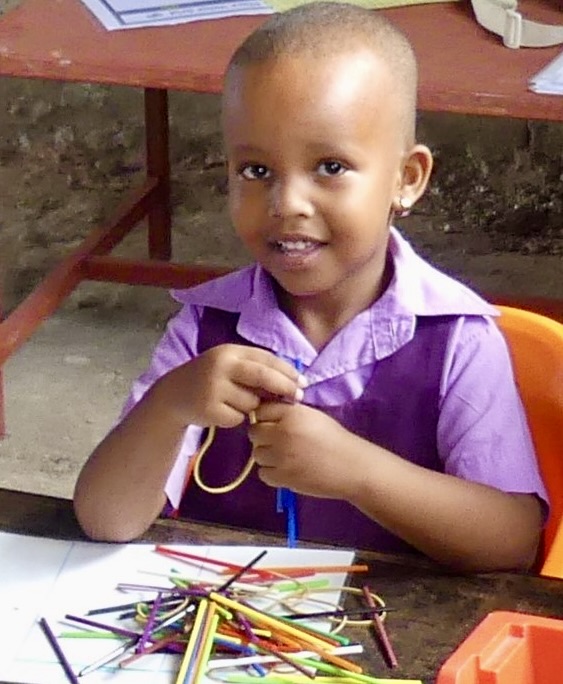
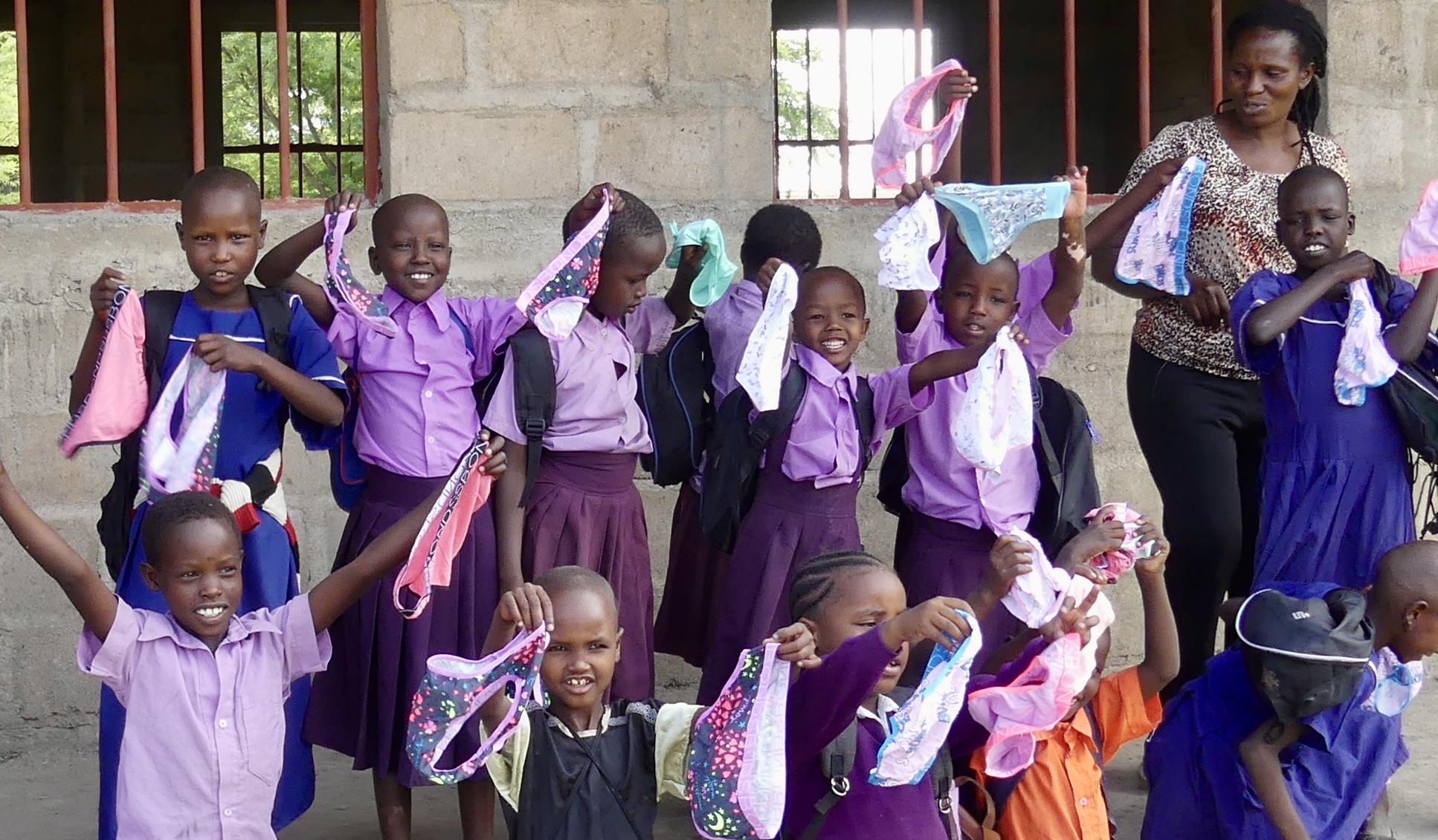
At Naserian Schools, our mission is to provide vulnerable girls with free education, offering them a chance to escape this cycle of oppression. Education empowers them to say NO to these harmful practices and embrace a future of independence and opportunity.
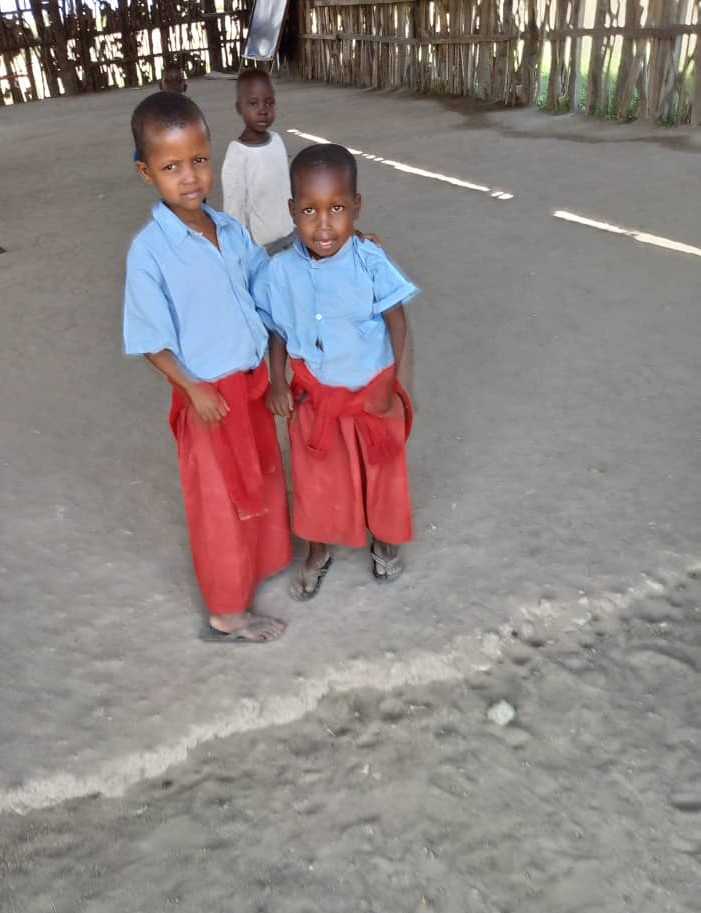
While our primary focus is on girls’ education, we also provide free schooling to boys who, due to cultural traditions, are often deprived of schooling to work as herders. By offering them education, we enable them to explore career paths beyond herding and foster a future where both men and women can contribute equally to their communities.
Our Outreach Programs
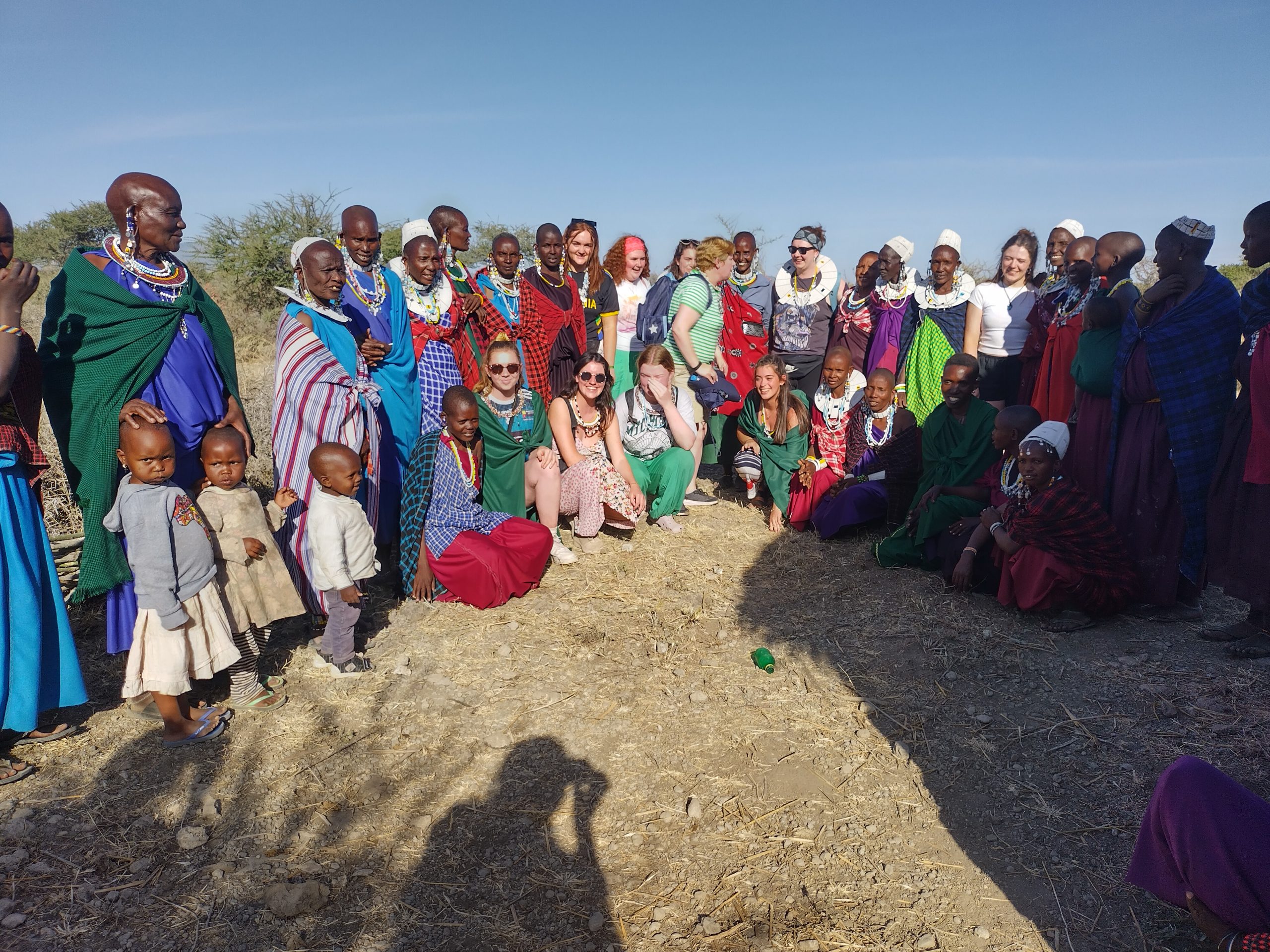
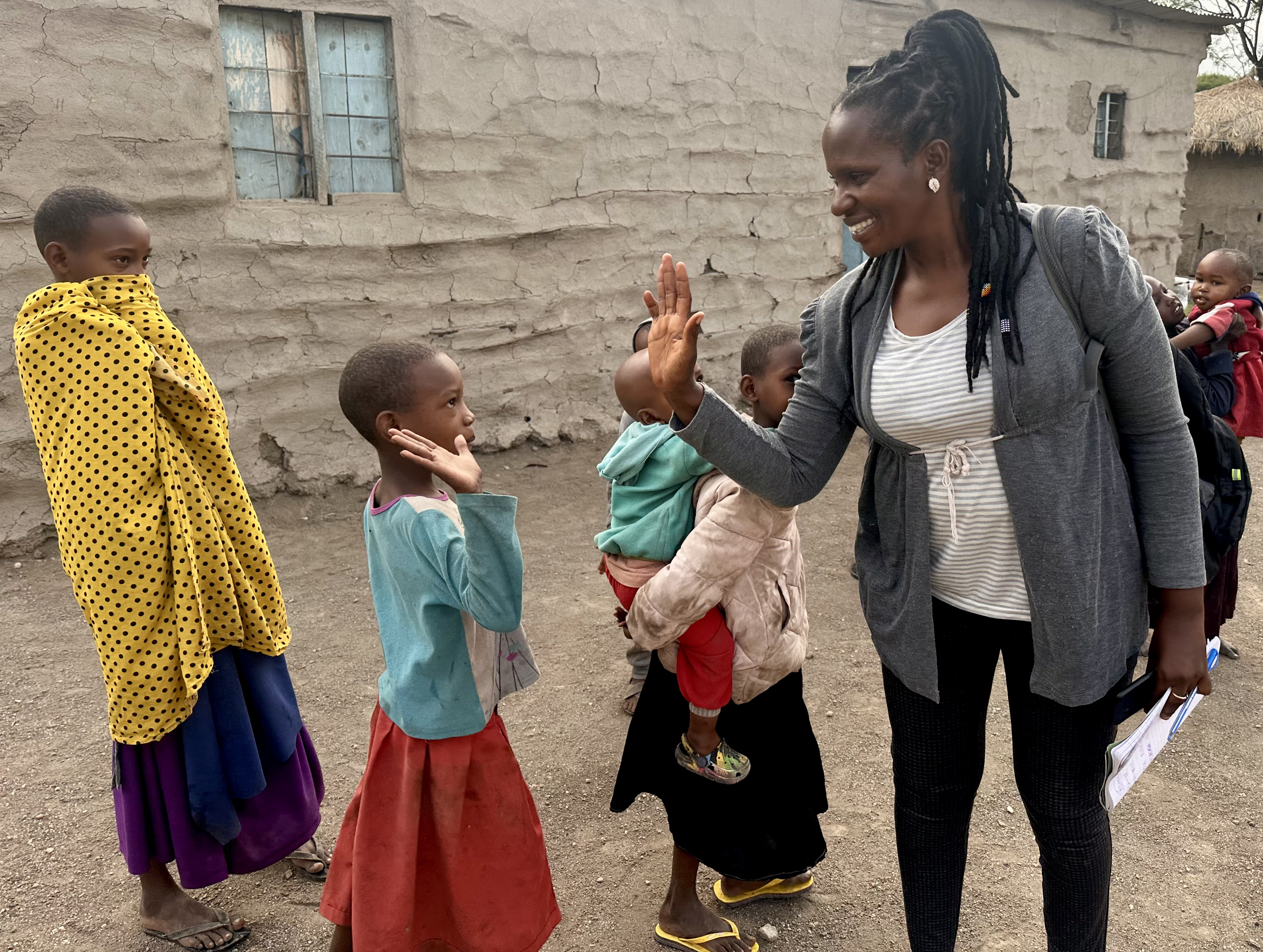
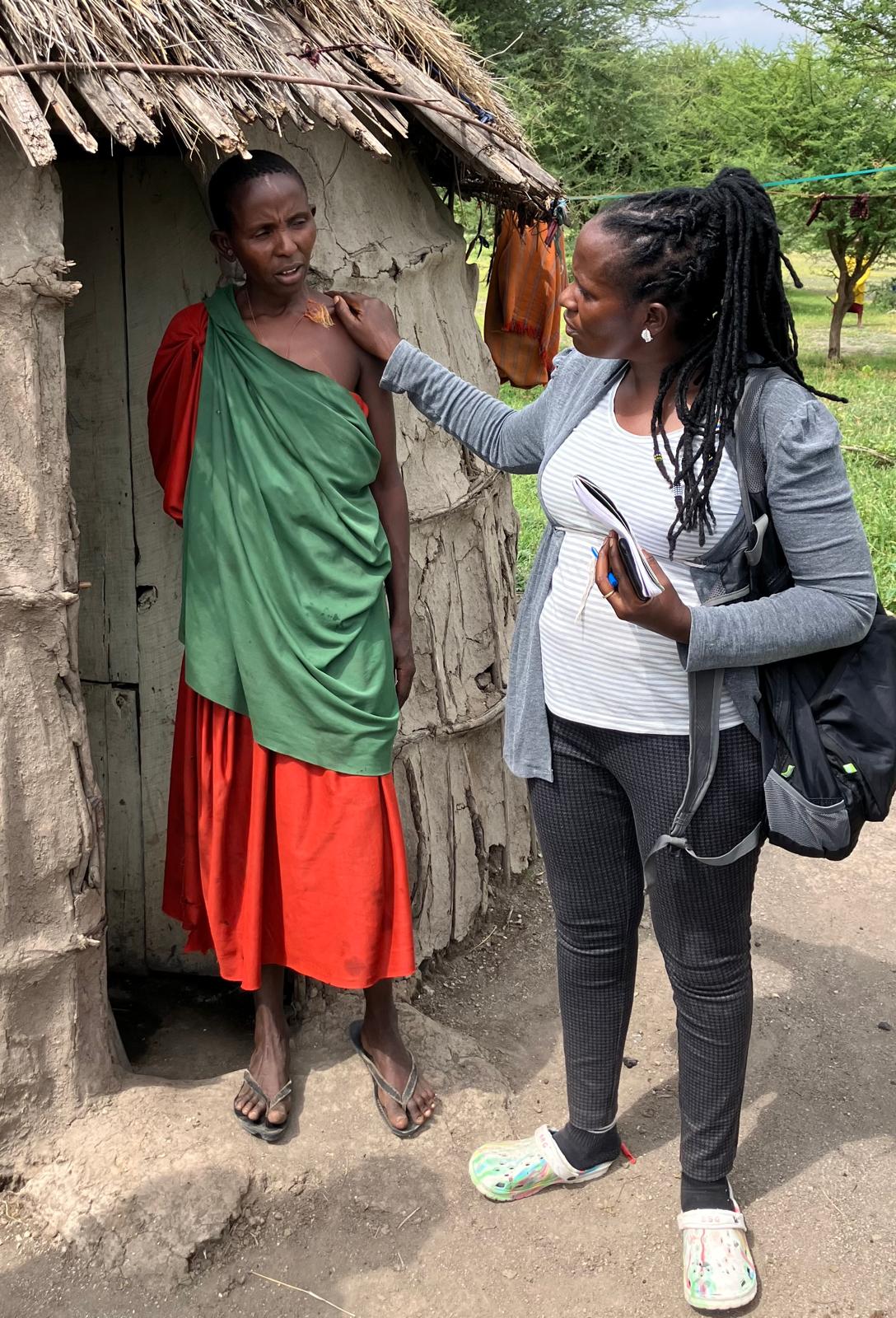
As an organisation, we believe in the transformative power of education – not just for children but for the entire Maasai community. In addition to schooling, we organize outreach programs designed to foster peaeceful and sustainable cultural change. These initiatives engage with both Maasai men and women in discussions on key issues such as:
- The value of educating both boys and girls
- The harmful effects of female genital mutilation and child marriage
- Personal hygiene and sanitation
- Safe childbirth practices and birth control
- Prevention of sexually transmitted diseases
- Environmental conservation
- Entrepreneurship and economic empowerment
Through education, we aim to break the cycle of poverty, oppression, and harmful traditions, offering hope and opportunity for future generations.
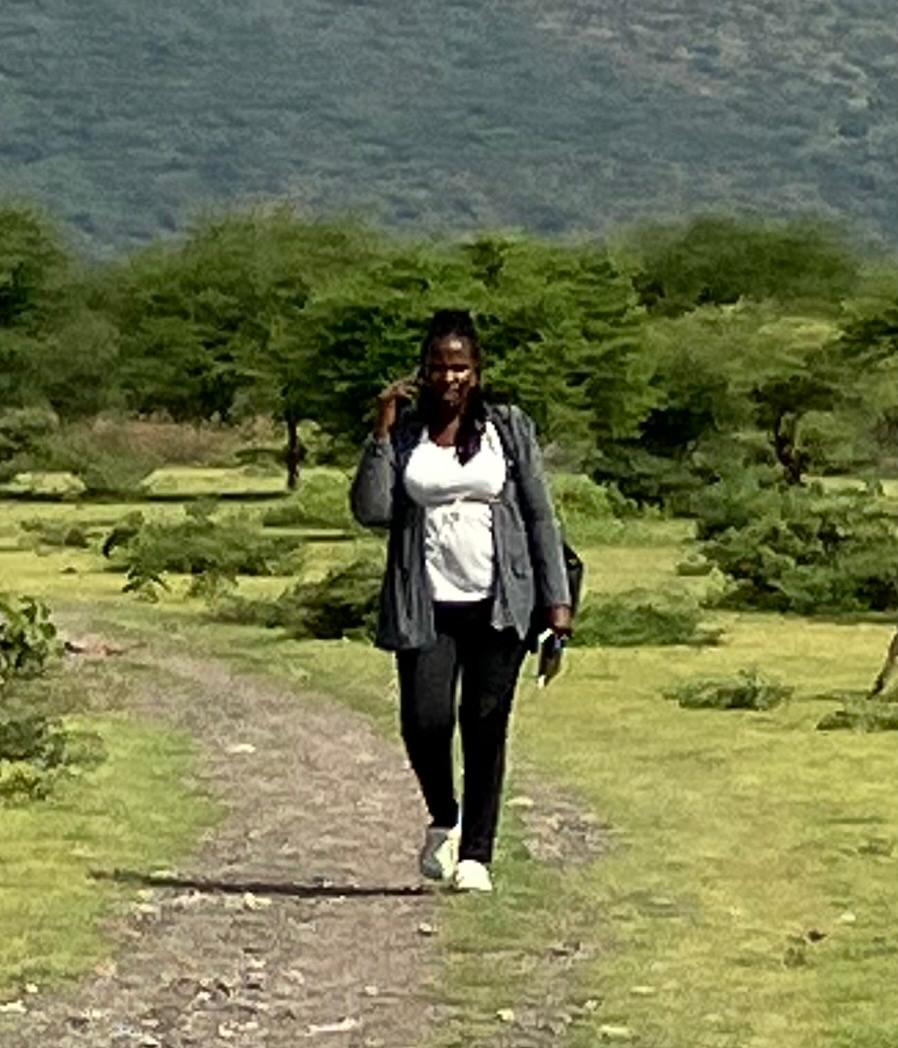
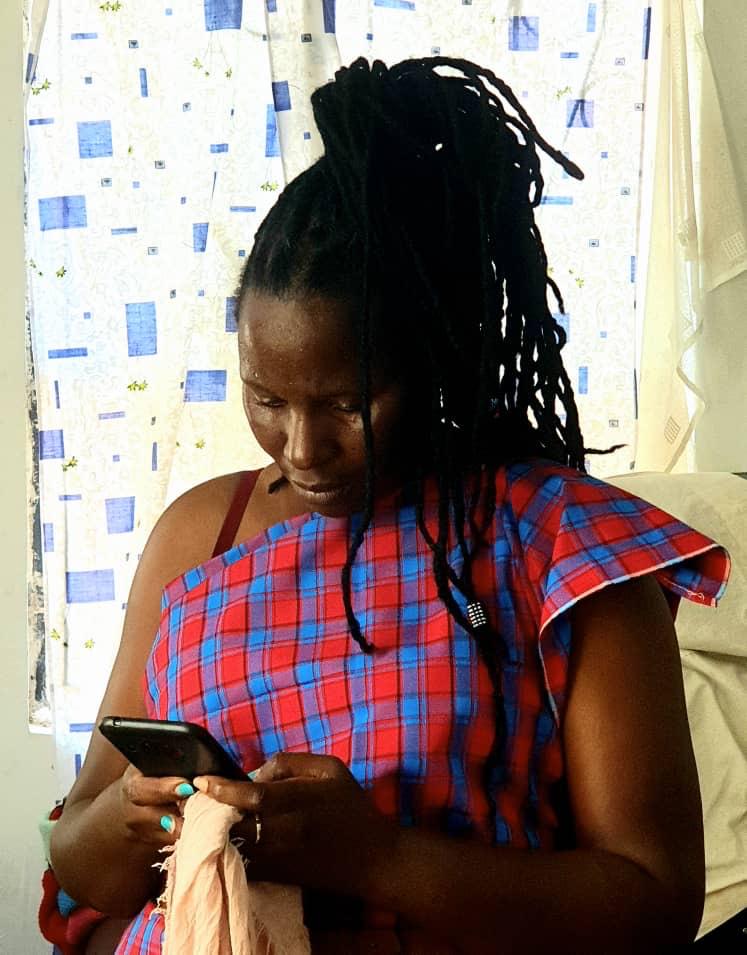
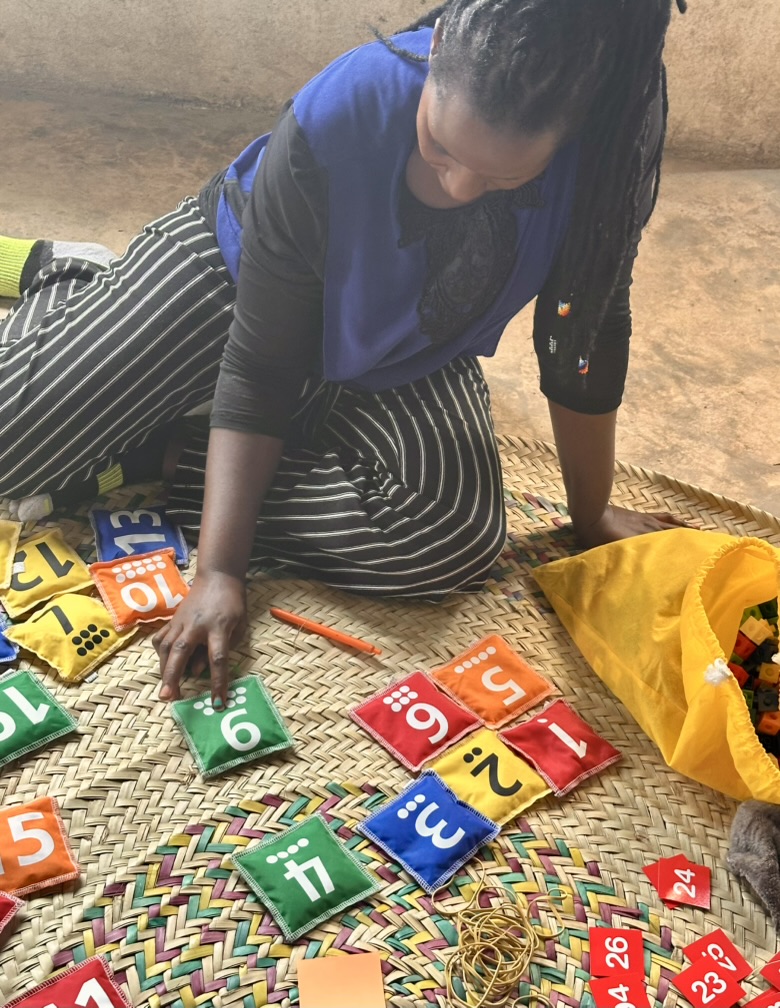
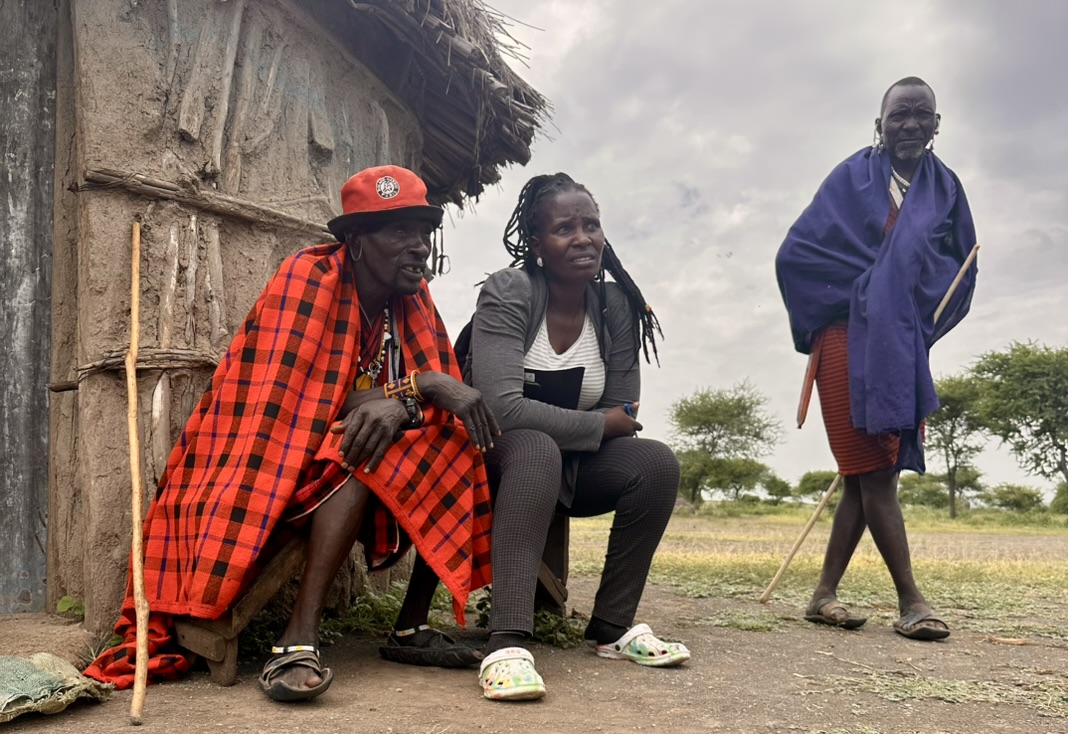
Born into a traditional Maasai family in 1978, Mary Sinantei experienced firsthand the challenges faced by many Maasai girls. After losing her mother at the age of three, she and her siblings were placed in the care of relatives. Like countless other Maasai girls, Mary was at risk of early marriage and female genital mutilation. However, with the support of her maternal aunt, she was given the rare opportunity to pursue an education.
Despite many hardships, Mary’s determination never wavered. She persevered through school and eventually earned a Bachelor of Education in Science, specializing in Biology. She went on to work as a teacher for ten years in various institutions, including the School of St. Jude in Arusha. With a strong belief in the power of education to create change, Mary founded Naserian Schools in 2010.
Mary’s journey is one of resilience, courage, and compassion. Her unwavering dedication to education continues to transform lives, ensuring that the next generation of Maasai children has the opportunity to build a brighter future.
Naserian School has an ambitious growth plan with the goal becoming a fully sustainable institution by 2030. Our vision is to be able to offer education from Nursery to Year 6, ultimately accommodating over 250 students.
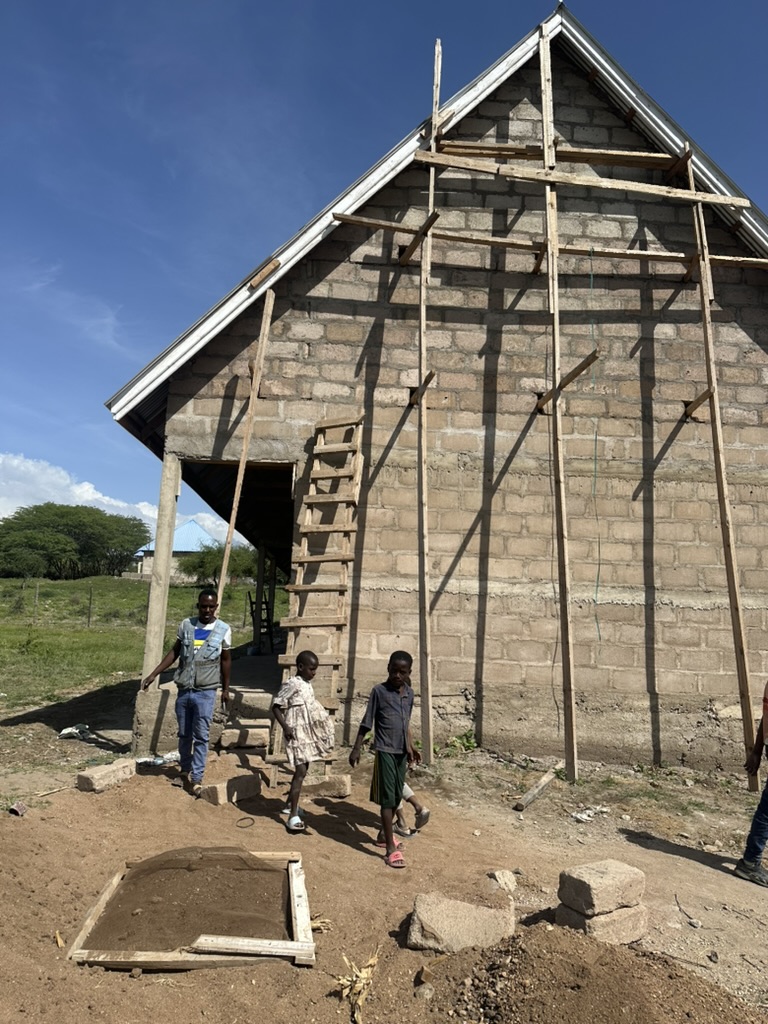
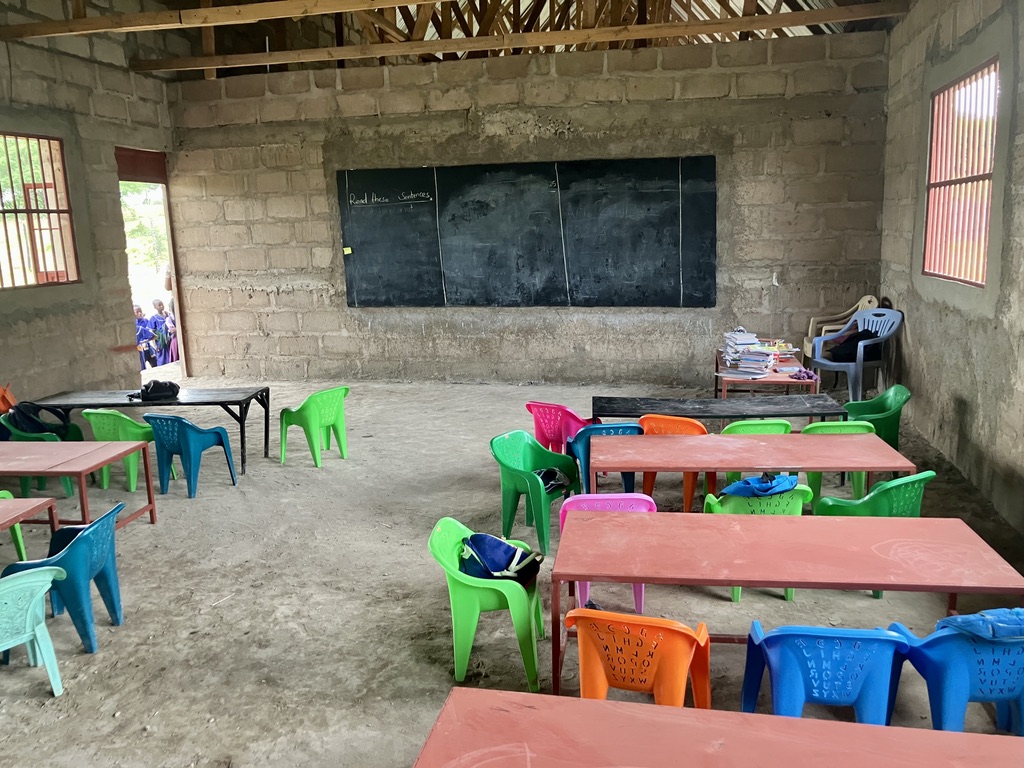
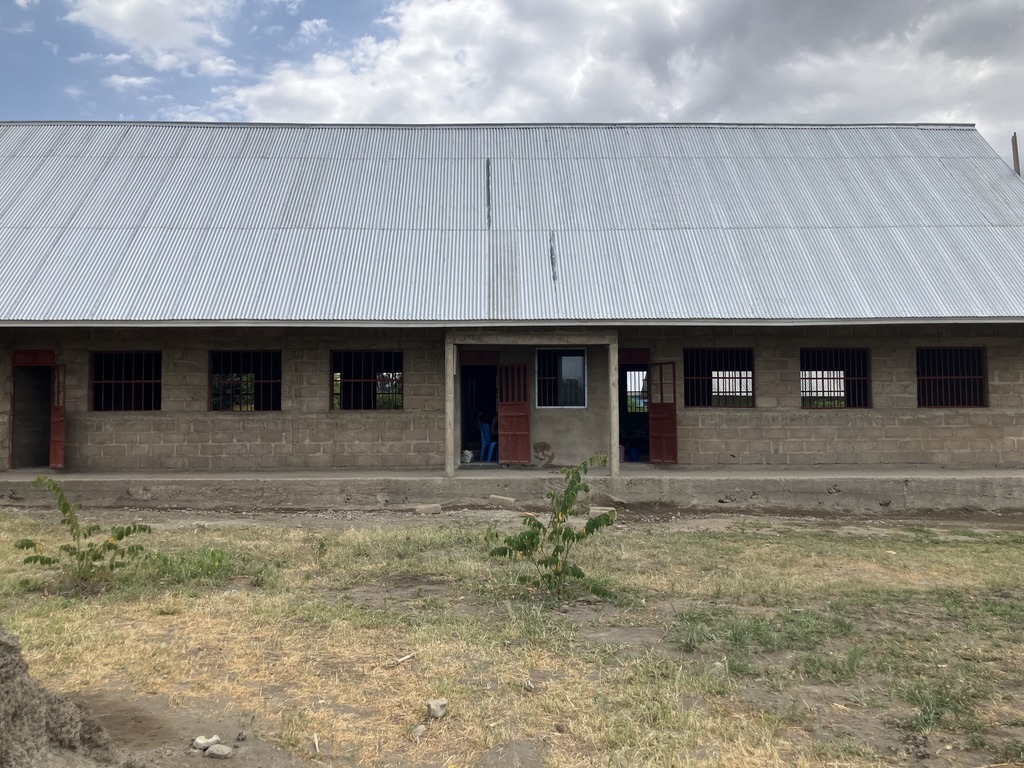
In the short term, our focus is on completing the existing classrooms, which includes finishing the floors and painting the walls. Additionally, we plan to build at least one new classroom each year, alongside an expanded staff room and a proper boarding house over the next four years. This steady development will ensure that Naserian Schools can meet the growing needs of its students while providing a supportive and effective learning environment.
Years of
Foundation
monthly
donors
incredible
volunteers
successful
campaigns

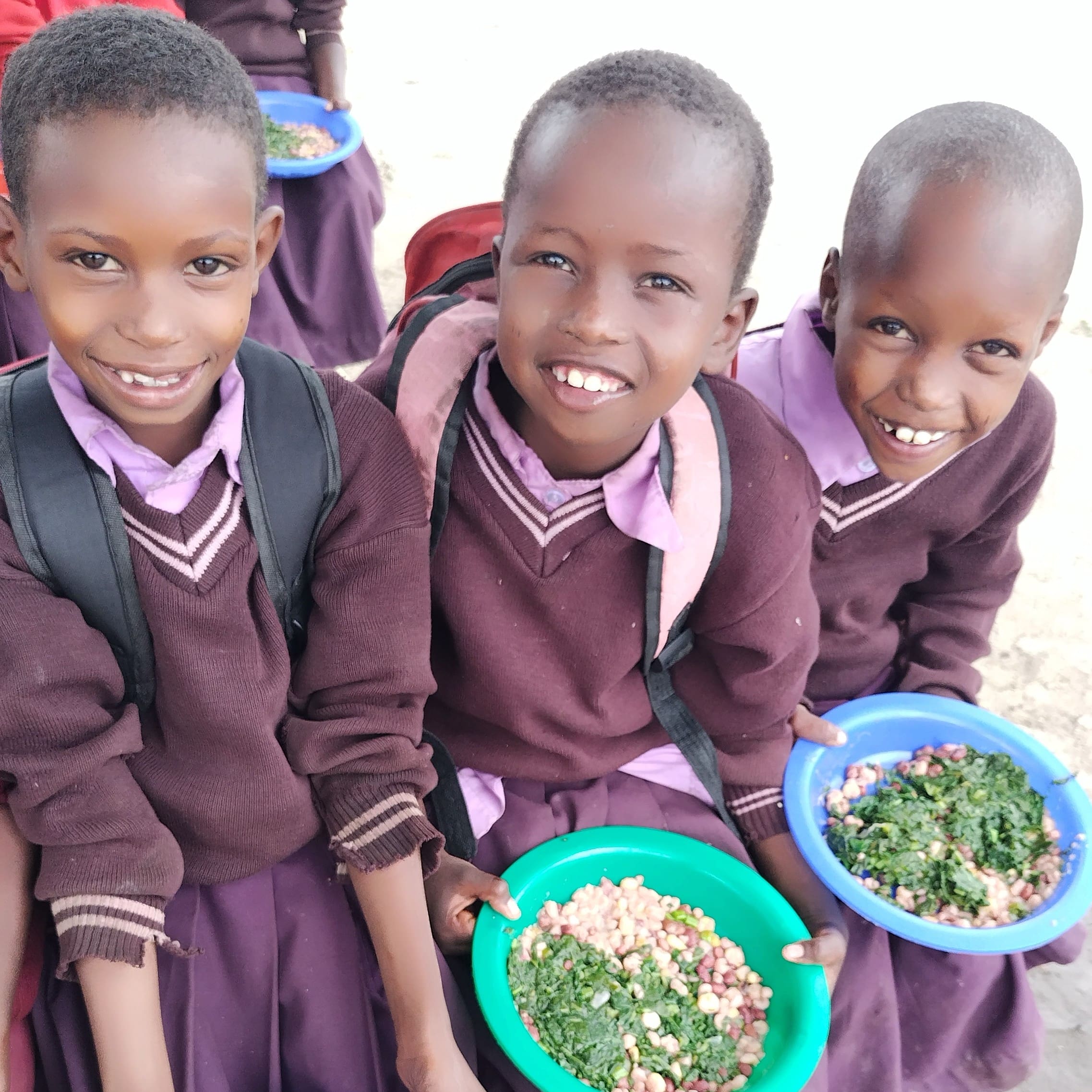
More than 100+
Children Were Helped
and make a hands-on impact!
Naserian Schools are registered to provide education to vulnerable Maasai children as a means to speed up campaigns aimed at lessening or eradicating cases of oppressive cultural practices such as female genital mutilation and childhood marriages for girls whilst offering young males the opportunity and choice to expand their future beyond traditional cattle herding.